Website Revamp Checklist
Can’t Afford to Miss

read
Do you know that it takes only 0.05 seconds for a visitor to form an opinion about your website? Your website might not be broken, but if it’s outdated, clunky on mobile, slow to load, or just doesn’t feel like your brand anymore, it’s quietly costing you visitors and conversions. That’s exactly why having a website revamp checklist is crucial before diving into any redesign.
A website revamp (aka redesign—they’re the same thing, let’s not overcomplicate it) breathes new life into your website user experience. It also aligns your digital presence with your current goals.
Therefore, we built a list that covers all the essentials, from technical must-dos and SEO preservation to design decisions that actually convert.
So, before you give your design agency a go ahead, read this article and make sure you’re checking the right boxes.
When is the Right Time For a Website Revamp?
The short answer is, probably sooner than you think. A website isn’t a one-and-done project. It’s a living, breathing extension of your brand.
A website revamp becomes necessary when your current site no longer reflects your brand, fails to convert, loads at a snail’s pace, or just isn’t keeping up with how users browse today.
Here are some clear signs that indicate it’s time to hit refresh:
-
-
Slow Load Times Are Costing You
Your site takes over 3 seconds to load. Studies show that 88.5% of mobile users abandon sites that load too slowly. -
Poor Mobile Experience
The site isn’t fully mobile-responsive or feels clunky on phones—hurting user engagement and SEO. -
High Bounce Rate, Low Conversions
Visitors leave quickly, and conversions are stalling—a clear sign your UX and messaging may not be connecting. -
It No Longer Reflects Your Brand or Goals
You’ve rebranded or evolved, but your website hasn’t caught up—creating a disconnect with your audience. -
Outdated Design is Undermining Trust
At 6–7 years old, your site likely feels dated. Design trends shift quickly, and an old look can erode credibility—even if the site “still works.” -
Competitors Are Pulling Ahead
Your competitors have modern, faster, more engaging sites—and it’s showing in their performance.
-
Top 8 Website Revamp Checklist Items You Shouldn’t Ignore
Instead of jumping straight into design decisions, you must approach your website update with intention.
It is tempting to immediately think about a new visual direction and fresh experience for your users. But you also have to consider other critical aspects that will ensure results for your future website.
Thinking and laying down the foundation of the new structure, messaging, and early seo research will be extremely beneficial. Not to mention, it will contribute to your bottom line as well.
Let’s break down the key components of a website revamp checklist
1. Audit Your Current Website
Before you tear down and rebuild your website, you need to know what actually needs to be fixed.
It is pretty much the same as inspecting a house before renovation: no one rips out perfectly good plumbing unless they’ve checked what’s leaking first.
Here are 3 quick checkpoints to assess your website’s overall readiness for a successful redesign.
-
- SEO health: Run an SEO audit with Ahrefs or SEMrush to look for broken links, missing meta tags, duplicate content, and crawl errors.
- User behavior: Check your Google Analytics and look at the engagement rate to see how your pages perform. The time spent on a page or simply your website’s engagement rate tells a lot about a website. Check Google Analytics to verify the engagement rates for each page, where your users are coming from, to determine your strongest source of traffic. If you notice or note a page (supposed to be key to your business) that doesn’t get the traffic you expect, is it buried or shadowed by some less important sections, or not as accessible as it should be?
- Content relevance: Review your messaging to see if it is still aligned with your brand and offers, and if your CTAs (Calls-to-Action) are actually converting.
- SEO health: Run an SEO audit with Ahrefs or SEMrush to look for broken links, missing meta tags, duplicate content, and crawl errors.
2. Define Your Goals & Target Audience

You must get brutally clear on why you’re revamping your website.
-
- Is it to generate more leads?
- Want to reinforce your authority over your existing clients?
- Looking to get talented employees onboard?
- Want to highlight a specific service or product?
- Want to reflect better on your new business direction?
- Clarify your brand positioning?
Also, revisit (or create) your buyer personas. Who are you trying to reach now?
A lot must have changed since your last redesign. Use data analytics, customer interviews, surveys, and CRM data to build updated customer personas that include:
-
- Demographics and job roles
- Pain points and goals
- Buying behavior and decision triggers
The audience and goals will directly impact how the website should be structured and how the message should be voiced, which brings us to the next section.
3. Update or Add New Pages to the Site Structure
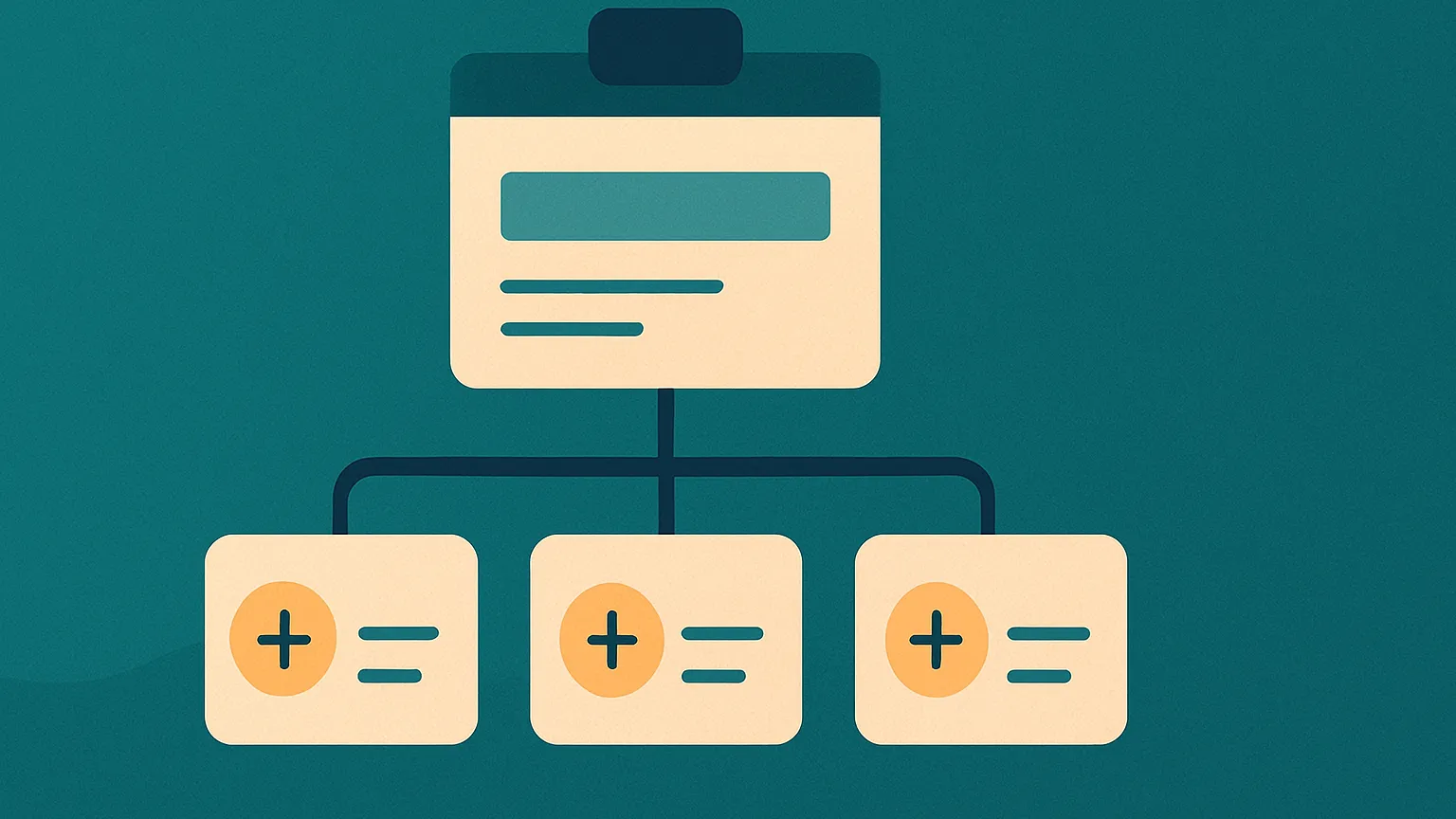
Your website’s structure is a direct reflection of your business priorities, and it’s only natural for those priorities to shift over time.
When revamping, you reorganize and expand your structure based on where your company is headed.
It’s worth looking back at what your business’s new strengths are that you might want to focus on.
Is there a specific service or product you know should be highlighted more? Is there a better way to tell your company story? etc.
A smart revamp calls for a reverse-engineered approach:
-
- What’s your company’s focus TODAY?
- What’s the user journey you want to guide people through?
- Which content types will support trust and conversion, blog posts, case studies, FAQs, and landing pages?
Build (or clean up) your site map accordingly. Create a clear hierarchy where core pages like Services, About, and Contact are supported by strategic additions like service/product pages, a blog or resource hub, case studies, testimonials, a careers and culture page, etc.
4. Redesign Website UI/UX

Make sure these key elements are addressed before and during your website redesign—neglecting them could cost you both users and conversions.
-
UI & UX aren’t just buzzwords. A proper redesign should improve both how your site looks and how it functions. That means intuitive navigation, clear sections, and a logical content hierarchy that guides users effortlessly.
-
Typography matters more than you think. Use modern custom fonts, bold headers, generous line spacing, and font sizes that are easy to read across devices.
-
Your color palette should do more than look nice. It should reflect your brand and support visual clarity. Every shade should serve a purpose in guiding the user’s attention.
-
Don’t fear white space. A clean, scroll-friendly layout gives your content room to breathe and helps reduce cognitive overload. Minimal doesn’t mean empty—it means intentional.
-
Modern visuals are a must. Replace outdated or overused stock images with high-quality visuals and branded illustrations. And don’t forget to compress them to keep your site running fast.
5. Implement Developmental Changes
This is the part of the site redesign checklist where things get under-the-hood, and where a lot of businesses go wrong.
Think about your server environment. If you expect a spike in traffic due to new marketing campaigns, move from shared hosting to private servers where your performance won’t be affected.
Now layer in automation and integrations that make your life easier:
- CRM platforms (HubSpot, Zoho) to manage leads
- Newsletter tools (Mailchimp, ConvertKit) for email campaigns
- Google Analytics 4 + Search Console for data-driven decisions
- Chatbots, booking systems, or support tools, depending on your workflow
6. Make Sure Your Website Copy Speaks Directly to Your Audience
Too often, companies write from their own perspective (“We’re innovative, cutting-edge, top-tier, etc.,”) when what really hooks people is: How do you make my life easier?
Your core value proposition, i.e., what you offer, who it is for, and why should they care about it, needs to be crystal clear on your homepage, hero section, and service pages.
Tailor your tone to your audience. If they are corporate decision-makers, you must be concise and professional. But if they are small business owners, a warm and helpful tone will land better.
A gorgeous new website won’t save a bad copy. Therefore, in a revamp, your words should work just as hard as your design.
7. Test and Launch Your New Website

You’ve poured your heart (and probably a lot of caffeine) into your website upgrades. Now, before you hit that big, scary “launch” button, you want to make sure everything works exactly how it should.
Test your site across multiple browsers (Chrome, Safari, Firefox) and devices (desktop, tablet, mobile). Check the following boxes before you roll it out:
-
- Does every page load correctly across all major browsers and screen sizes?
- Are forms, CTAs, and buttons working exactly as expected?
- Are load times under 3 seconds?
- Is all SEO data (meta tags, alt text, 301 redirects) properly configured?
- Are analytics, CRM, and email tools integrated and tested?
- Is your SSL certificate installed and site security verified?
Consider a soft launch (within the internal team or small user group) or a phased rollout if you’re updating in sections.
When everything’s been tested and feedback is solid, go for the full rollout with confidence.
8. Optimize For Search Engines
Before your new site goes live, you should have a clear keyword map based on fresh research.
Focus on low-competition, medium-to-high volume keywords. These keywords offer the best balance of ranking potential without excessive effort. You can use tools like Ahrefs, SEMrush, or Google Keyword Planner to identify these “sweet spot” terms.
After finding good keywords, weave these keywords strategically into your new content.
- Primary keyword: Target one per page (e.g., “website revamp checklist”) in critical spots:
- Incorporate it naturally in title tag, H1, and at least 1 H2
- Add it within the first and last 100 words of content
- At least 2–3 times naturally in the body (It depends on the wordcount of your page)
- Secondary keywords (2–6 per page): Use variations (e.g., “website redesign guide,” “site overhaul steps”) in:
- Add them in subheaders (H2s/H3s)
- Add 1or 2 of them in your meta description
- Use secondary keywords in image alt text (e.g., “website redesign checklist infographic”)
Avoid stuffing at all cost. Google’s algorithm is getting better by the day and keyword stuffing doesn’t work anymore. Keywords should fit context. If it feels forced, consider rewriting.
Also, audit your current rankings to see which pages are already doing well and which keywords are driving you traffic. You don’t want to accidentally tank your hard-earned SEO equity or link equity by deleting or restructuring those high-performing URLs.
You would also want to set up analytics and tracking tools to monitor traffic shifts, ranking changes, and user behavior. Keep creating optimized content regularly. And if you’re rebranding or shifting business direction, make sure your SEO goals reflect that pivot.
FAQs : Website Revamp Checklist
What Is Revamping A Website?
Revamping website means redesigning and updating its content and functionality to improve user experience. It ensures the website aligns with current business goals and branding.
What To Do Before Website Redesign?
Before a website redesign, you must:
- Audit current performance
- Define clear goals
- Research user needs
- Map SEO priorities
- Review analytics
- Plan content and structure updates
What Is The Difference Between A Website Redesign And A Website Refresh?
A website redesign involves a full overhaul of structure and visuals. In contrast, website refresh means making minor updates like colors, fonts, or content without changing the core layout or functionality.
How To Ensure My Website Redesign Doesn’t Hurt My Seo Rankings?
To protect SEO rankings during a website redesign, audit your existing rankings and preserve high-performing URLs. Also, use 301 redirects, maintain clean site architecture, optimize new content, and update sitemaps before launch.
Let’s Revamp Your Website Together!
A successful website revamp builds you a smarter, faster, and more strategic digital experience with a fresh outlook. And for that successful revamp you need to tick off the website revamp checklist items we mentioned in this blog.
But what if you’re ready to invest in a website revamp and don’t have the right design agency to do it efficiently? At Atoll Digital, we’ve spent the last 10 years crafting high-impact, tailor-made websites that help brands anchor their authority and stand out.
We help businesses like yours develop bold ideas, engage your audience, and expand into new digital territories, one scalable, search-friendly site at a time.
If you’re planning to revamp your website, let’s chart your course together. Contact Atoll Digital for a custom quote today!

next